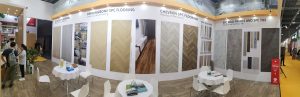


Herringbone SPC Flooring: A Flooring Upgrade That Combines Style and Durability

Herringbone SPC Flooring: A Flooring Upgrade That Combines Style and Durability
Executive Summary: Herringbone SPC flooring merges the classic visual appeal of herringbone patterns with the waterproof, wear-resistant, and stable performance of SPC (stone plastic composite). Easy to install, it suits living rooms, bedrooms, kitchens, and even radiant-heated floors. This article breaks down its advantages from 6 angles to help you decide if it’s right for your home.

What Is Herringbone SPC Flooring?
Herringbone is a classic flooring pattern named for its V‑shaped, “herringbone” layout. SPC flooring (Stone Plastic Composite) is made from natural stone powder and eco-friendly resins, pressed under high heat, with a wear layer and decorative film on top. Combining the two gives you the look of real wood herringbone with SPC’s waterproof, durable, and moisture‑resistant properties.
6 Key Advantages of Herringbone SPC Flooring
1. Striking Visuals – Makes Small Spaces Look Larger
The diagonal lines of the herringbone pattern extend the sense of depth in a room, making it feel more dynamic and designer‑led than straight‑lay planks. Light‑colored herringbone SPC can make small living rooms and bedrooms appear brighter and more spacious.
2. 100% Waterproof – Safe for Kitchens and Bathroom Dry Areas
SPC’s dense core does not absorb water, so it won’t swell or warp when exposed to moisture. Daily mopping or accidental spills are no cause for concern. Unlike engineered wood, herringbone SPC can be confidently used in kitchens, balconies, and bathroom dry zones.

3. Superior Wear Resistance – Pet‑Friendly
High‑quality herringbone SPC features a wear layer of 0.3mm–0.5mm, with abrasion resistance exceeding 6,000 cycles. Daily furniture movement and pet claws are unlikely to leave noticeable scratches.
4. Click‑Lock Installation – DIY‑Friendly
Most herringbone SPC planks use a click‑lock system – no glue, nails, or underlayment required, as long as the subfloor is flat. Handy homeowners can even tackle small areas themselves, saving on installation costs.
5. Dimensionally Stable – Suitable for Radiant Heating
SPC has excellent thermal stability, resisting expansion and contraction with temperature changes. When used with underfloor heating, it won’t crack or cup like solid wood, and it transfers heat more efficiently.
6. Zero‑Formaldehyde – Safe for Families with Children and Seniors
SPC flooring is manufactured without glue, resulting in extremely low formaldehyde emissions – well below China’s E0 standard. It’s a safer choice for homes with pregnant women, infants, or anyone with respiratory sensitivities.
Which Spaces Suit Herringbone SPC Flooring?
- Living rooms: Adds a designer focal point and elevates the overall aesthetic.
- Bedrooms: Warm textures and natural grain patterns create a cozy, restful atmosphere.
- Kitchens & dining areas: Water‑ and oil‑resistant, easy to clean.
- Bathroom dry zones: A warmer alternative to tiles underfoot.
- Commercial spaces: Cafés, boutiques, showrooms – durable and visually striking.
How to Choose High‑Quality Herringbone SPC Flooring
- Check total thickness: Opt for 4.5mm–6mm – thinner planks compromise comfort and stability.
- Examine the wear layer: 0.3mm+ is ideal for residential use; 0.5mm+ suits commercial or heavy‑traffic areas.
- Inspect the locking system: A good click‑lock fits tightly and withstands repeated assembly without damage.
- Look at the core color: Premium SPC has a uniform color, free from impurities and bubbles.
- Choose a reputable brand: Select a supplier like AJ Floor that offers physical samples and after‑sales support.
Frequently Asked Questions (FAQ)
What’s the difference between herringbone SPC and traditional engineered‑wood herringbone?
Traditional engineered‑wood herringbone feels closer to real wood but is vulnerable to water and humidity, and costs more. SPC herringbone is waterproof, durable, more affordable, and easier to maintain – a great choice for those prioritizing value and practicality.
Can I install herringbone SPC flooring myself?
Yes. With a level subfloor, the click‑lock system makes installation straightforward. However, herringbone patterns require careful attention to starting angles and trimming. We recommend first‑timers practice on a small area or consult a professional for guidance.
Does SPC flooring contain formaldehyde?
SPC is made primarily from stone powder and resins, and no glue is used in production. Formaldehyde emissions are extremely low – far safer than most laminate floors and some engineered woods.
Is herringbone SPC flooring expensive?
Compared to solid‑wood herringbone, SPC herringbone is significantly more budget‑friendly. Prices vary by thickness, wear layer, and brand. Contact AJ Floor for current pricing and samples.
Conclusion: A Well‑Balanced Flooring Upgrade
If you love the herringbone look but worry about the maintenance, moisture sensitivity, and cost of real wood, herringbone SPC flooring is a superb middle ground. It delivers on style, durability, and value – a practical fit for most modern Chinese households.
Book a Showroom Visit / Request a Quote
This article is published by AJ Floor. Welcome to explore our herringbone SPC samples in person.